
Top-Rated Products For Storm Damage Restoration Projects
Equip yourself with high-performance products that support thorough and effective storm damage repairs.
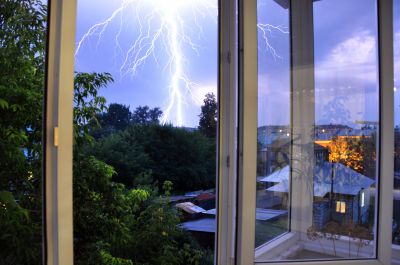 Storm restoration projects in Van Nuys, CA often require a comprehensive selection of products to effectively repair and reinforce structures affected by severe weather conditions. From roofing materials to flood barriers, having the right tools and supplies can make a significant difference in the restoration process. It is important to choose products that are durable, reliable, and suitable for the specific challenges posed by storms common in the region. Proper selection and use of these products can help ensure safety, minimize further damage, and facilitate a smoother recovery process.
Top Overall Option
Heavy-Duty Weatherproofing Sealant
A versatile, high-performance sealant designed to provide reliable waterproofing and air sealing for roofs, windows, and siding. Its durability helps protect structures from water intrusion and wind damage, making it a valuable component in storm restoration efforts.
Types of Products For Storm Restorations
Impact-Resistant Windows
Windows designed to withstand high winds and debris impact, reducing the risk of breakage during storms.
Roofing Shingles and Panels
Durable roofing materials formulated to resist wind uplift and heavy rain, essential for roof repairs.
Flood Barriers and Sandbags
Temporary and permanent solutions to prevent water intrusion into properties during flooding.
Waterproofing Membranes
Protective layers applied to foundations and walls to prevent water seepage and damage.
Hurricane Straps and Reinforcements
Structural hardware used to secure roofs and walls against high wind forces.
Heavy-Duty Tarps
Temporary covers used to protect damaged areas from further weather exposure.
Sump Pumps
Devices designed to remove accumulated water from basements and low-lying areas.
Debris Removal Tools
Equipment such as shovels, wheelbarrows, and chainsaws for clearing storm debris.
Impact-Resistant Doors
Doors built to withstand high winds and flying debris, enhancing structural resilience.
Storm Shutters
Protective coverings for windows and glass doors to prevent damage during storms.
Structural Reinforcement Materials
Items like steel braces and additional framing components to strengthen building integrity.
Dehumidifiers and Air Movers
Equipment to dry out water-damaged interiors and prevent mold growth.
Sealants and Caulks
Materials used to seal gaps and cracks to prevent water and air leaks.
Roof Vents and Attic Fans
Ventilation solutions to improve airflow and reduce moisture buildup after storm damage.
Foundation Waterproofing
Products designed to protect foundations from water infiltration and structural weakening.
Emergency Power Generators
Portable generators to maintain essential functions during power outages caused by storms.
Popular Choices
Widely used for their ability to withstand storm debris and high winds.
Commonly employed for temporary protection of damaged roofs and walls.
Frequently selected for flood mitigation in storm-prone areas.
Popular for foundation and basement protection against water intrusion.
Chosen for their ease of installation and effective window protection.
Standard equipment for basement water removal during flooding events.
Commonly used for roof repairs and replacements after storm damage.
Valued for enhancing entryway durability during storms.
Popular for strengthening vulnerable building components.
Frequent choices for drying water-damaged interiors.
Essential for sealing gaps and preventing leaks after storm repairs.
Commonly installed for added protection against storm debris.
Often used to maintain operations during power outages.
Selected to safeguard basements and foundations from water damage.
Popular for securing roofs and reducing wind uplift.
In storm restoration, the focus is often on addressing immediate damage and preventing future issues. This includes selecting high-quality roofing materials that can withstand high winds and heavy rain, as well as water-resistant barriers and sealants. Structural reinforcements such as hurricane straps or impact-resistant windows are also vital components. Additionally, flood mitigation products like sump pumps and waterproofing membranes play a crucial role in protecting properties from water intrusion. The right combination of these products depends on the extent of damage, building type, and specific storm risks in Van Nuys.
Restoration efforts also benefit from the use of safety equipment and temporary protective solutions. Heavy-duty tarps, scaffolding, and debris removal tools are essential for initial cleanup and ongoing repairs. It is equally important to consider long-term solutions that can enhance resilience against future storms, such as reinforced siding and storm shutters. Proper planning and product selection can help property owners and contractors restore and strengthen buildings efficiently while adhering to safety standards. Overall, a strategic approach to storm restoration involves a diverse array of products tailored to the unique needs of each project.
Key Buying Considerations
- Assess the specific storm risks in your area, such as wind speeds and flood likelihood.
- Choose products that meet or exceed local building codes and safety standards.
- Consider the durability and material quality to ensure long-term performance.
- Evaluate the ease of installation and whether professional help is needed.
- Look for products with good reviews and proven resistance to storm conditions.
- Determine the appropriate size and capacity for your property’s needs.
- Check compatibility with existing structures and materials.
- Prioritize products that offer reliable waterproofing and impact resistance.
- Consider the maintenance requirements of different storm restoration products.
- Review warranty options and customer support services provided by manufacturers.
- Balance cost with the expected lifespan and performance of the products.
- Ensure availability of replacement parts and accessories.
- Think about the long-term resilience and potential for future storm events.
- Select products that facilitate quick installation and effective protection.
- Verify that safety features are incorporated into the product design.