
Optimal Timing for Storm Restorations
Storm restorations are most effectively performed during periods of stable weather, typically outside of peak storm seasons. Conducting repairs in favorable conditions ensures safety, quality, and durability of the restoration work. Timing is crucial to prevent delays caused by adverse weather and to minimize the risk of additional damage.
Immediately after a storm, inspections identify damage early, enabling timely repairs before issues worsen.
Performing restorations during calmer months reduces the likelihood of weather-related disruptions and allows for more flexible scheduling.
Pre-storm maintenance and reinforcement can mitigate damage, making restorations easier and more effective after storms occur.
Choosing periods with predictable, stable weather conditions enhances safety and quality of storm restoration projects.
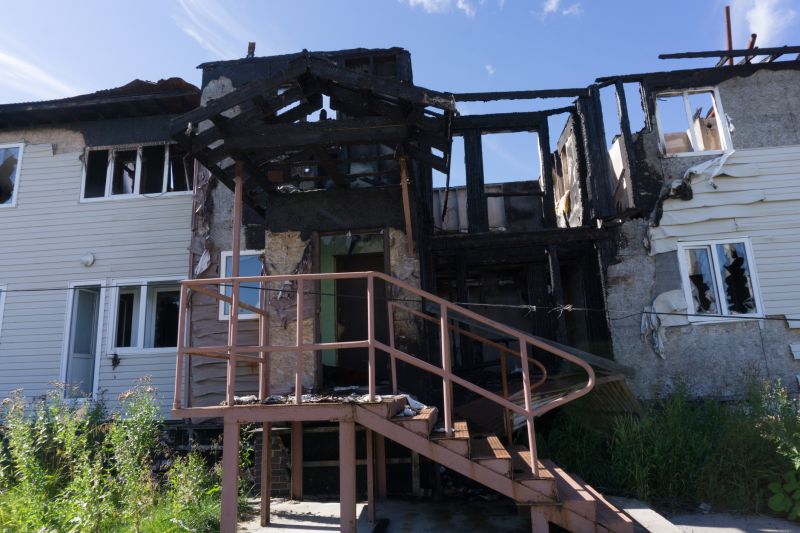
Evaluating damage to structures after storms helps prioritize restoration efforts.

Restoration projects underway during calm weather ensure quality results.
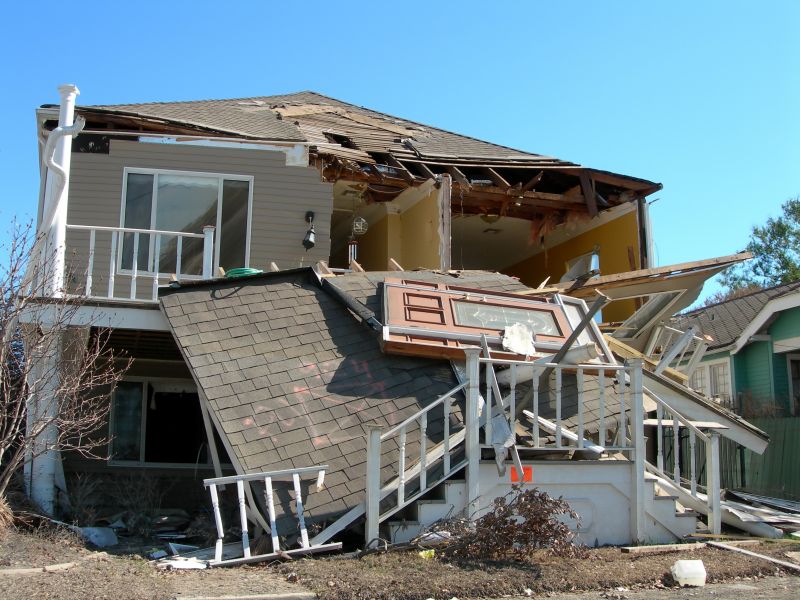
Finished restorations demonstrating resilience against future storms.
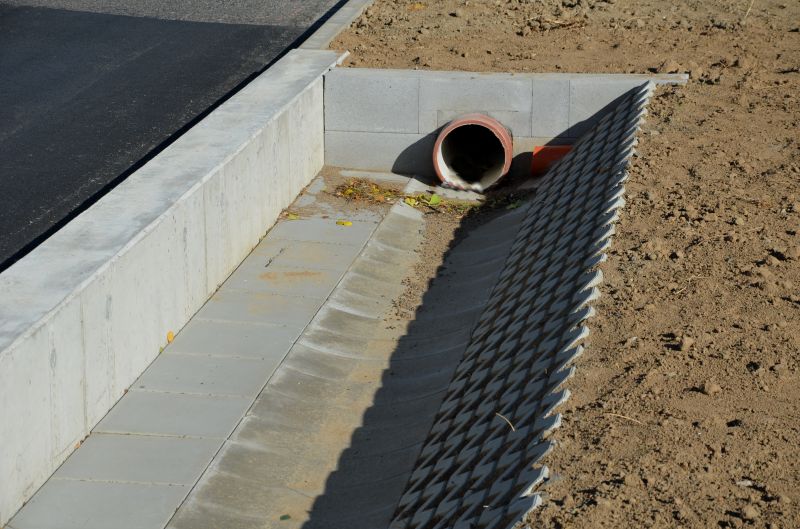
Ways to make Storm Restorations work in tight or awkward layouts.
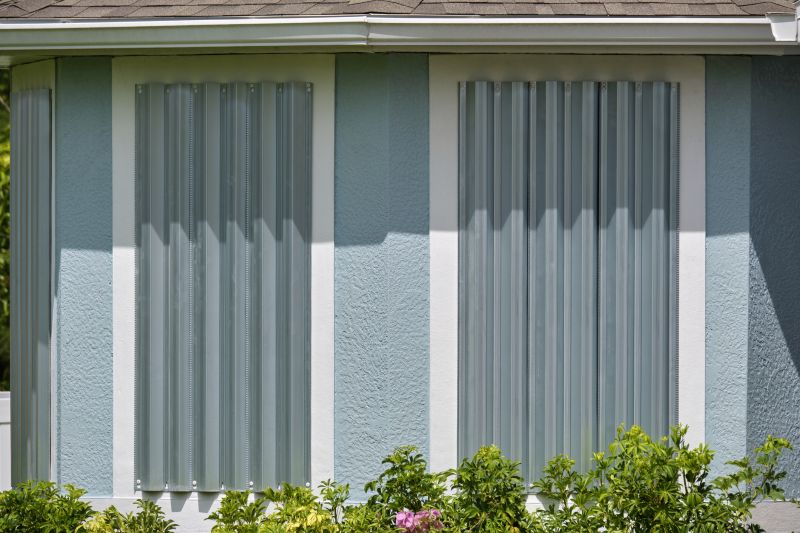
Popular materials for Storm Restorations and why they hold up over time.
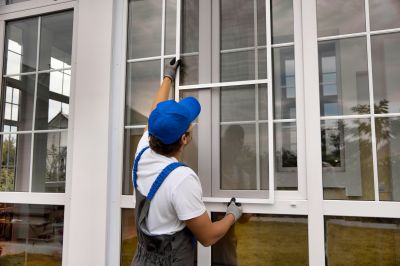
Simple add-ons that improve Storm Restorations without blowing the budget.
| Season | Optimal Timing |
|---|---|
| Spring | Ideal for pre-storm preparations and post-storm repairs. |
| Summer | Suitable for repairs in early months, avoiding peak storm periods. |
| Fall | Good for off-season restorations, with less storm activity. |
| Winter | Generally less favorable due to potential weather disruptions. |
Storm restorations involve assessing damage caused by severe weather events and implementing repairs to restore structural integrity and safety. Proper timing enhances the effectiveness of these efforts, reducing the risk of further damage and ensuring long-lasting results. Data indicates that timely interventions can significantly decrease repair costs and improve safety outcomes.
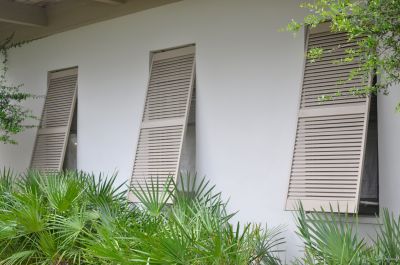
Initial evaluation of storm impact on properties.

Active repairs during favorable weather conditions.
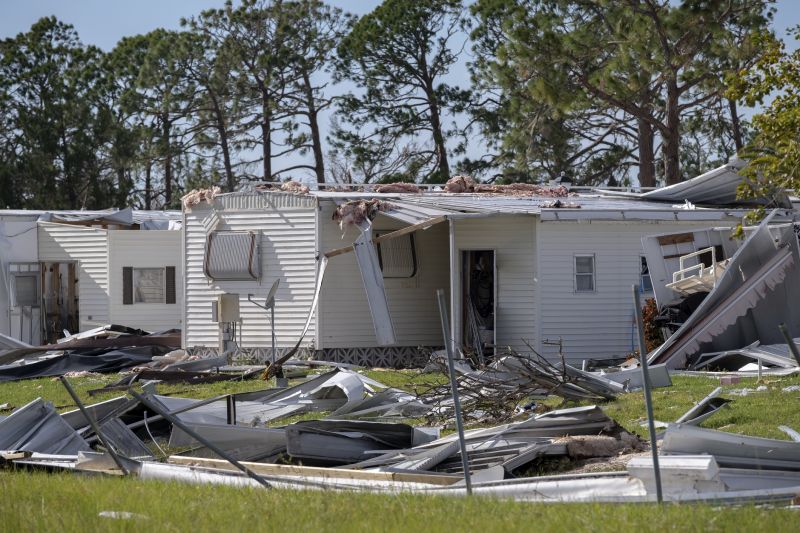
Completed projects ready to withstand future storms.
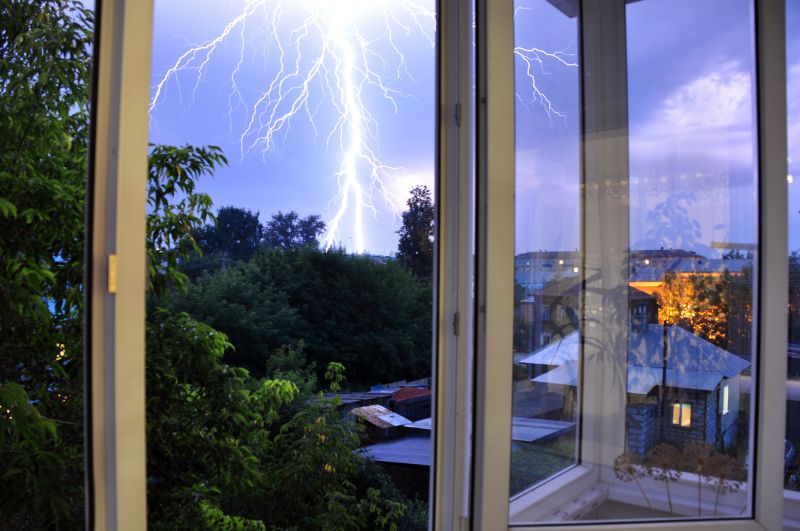
Pre-storm reinforcement efforts to minimize damage.
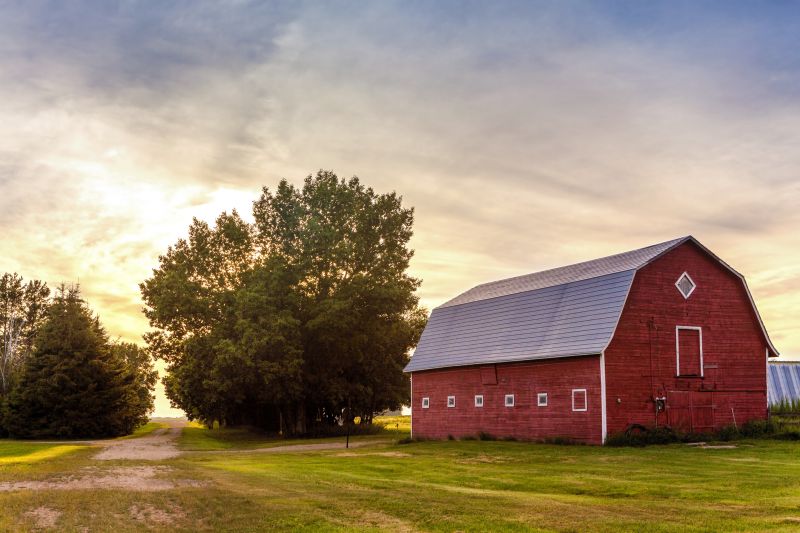
Finishes and colors that play nicely with Storm Restorations.

Little measurements that prevent headaches on Storm Restorations day.
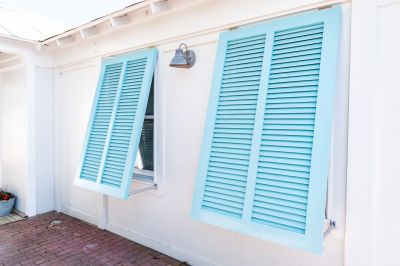
A 60-second routine that keeps Storm Restorations looking new.

A frequent mistake in Storm Restorations and how to dodge it.
For those interested in storm restorations, filling out the contact form provides a way to receive tailored assessments and scheduling options. Proper timing and preparation can help ensure properties are resilient against future weather events, safeguarding investments and safety.